
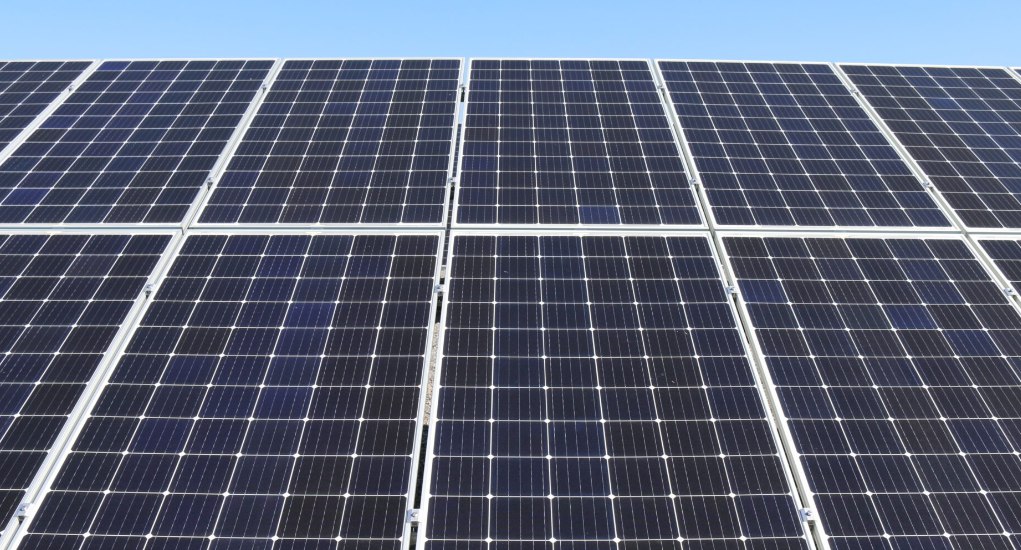
With such a hot and sunny summer, one would expect that solar energy would have been the queen among renewable sources. However, an excessively sunny and especially hot summer can be a detriment to the performance of the panels themselves. This does not prevent increased interest from consumers, who are driven to invest in solar technology by both warmer summers and higher consumer prices. Excessive temperature could hinder solar energy production, since solar panels work optimally at about 25C and begin to become less efficient when heat exceeds this threshold. And even if the heat does not hinder solar energy production, it is doing little to help it.
With a sunny summer like the current one, solar power plants have been providing a lot of electricity. Even a country as far north as the United Kingdom, solar power met a quarter of total demand, a very high percentage. Solar is useful because the more sun there is, the more energy is generated, but too much is a problem. Solar panels, they become slightly less efficient above 25 degrees, losing 0.5 percent, for every degree above or below the predicted threshold. This means that peak production periods in much of the world often occur in the cooler spring months rather than during the summer. According to Solar Energy U.K., the most significant supply decay would occur only if temperatures rise above 65C, a temperature that can be exceeded in the sun in warmer areas or in the Mediterranean.
This does not curb interest in solar, but it must be taken into account when designing systems and forecasting yields: areas that are too hot either need ad hoc panels or risk disappointing yields.
Even in Italy, with the 110% , there had been a boom of interest in solar panels this spring, coinciding with the 110% campaign, then this interest waned, both because of difficulties in finding the material and because of the freeze on the bonus itself.